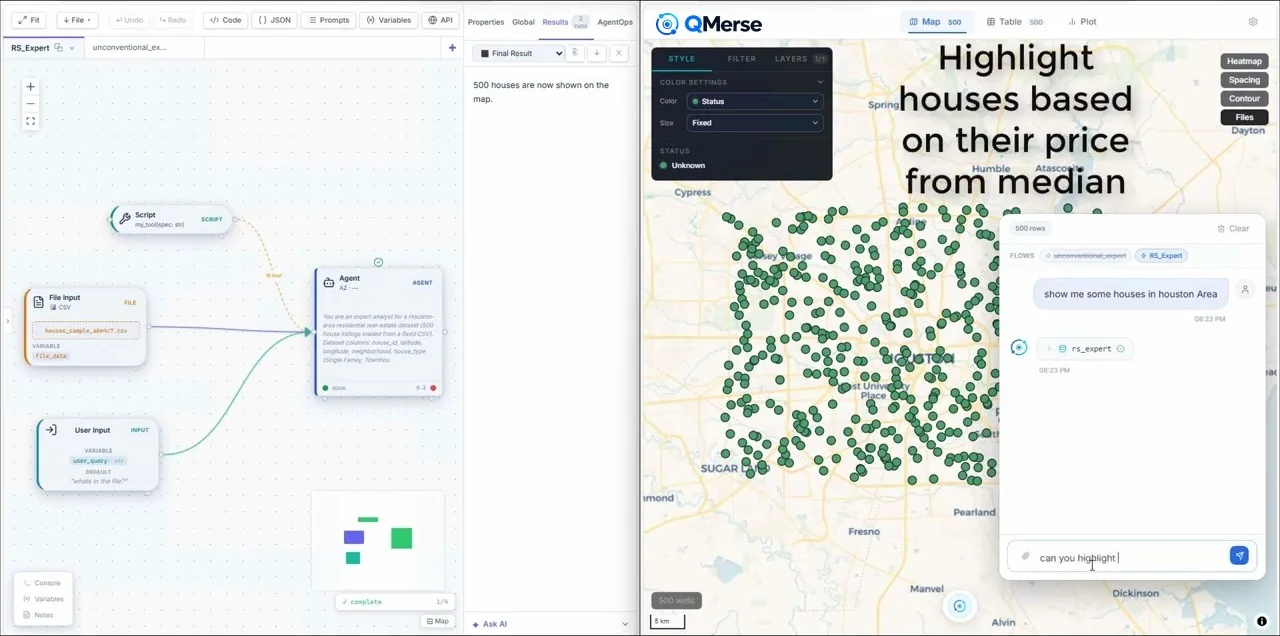

LumiMerse is not built around an industry. It's built around a job: taking work that depends on someone's judgement and turning it into an application that can run again and again — and still show why it decided what it decided.
Different titles, same underlying problem: valuable work trapped inside one person's head, repeated by hand every time a client asks for it.
You win work on the promise of an AI solution, then spend the engagement gluing together scripts, notebooks and prompts that nobody else can maintain.
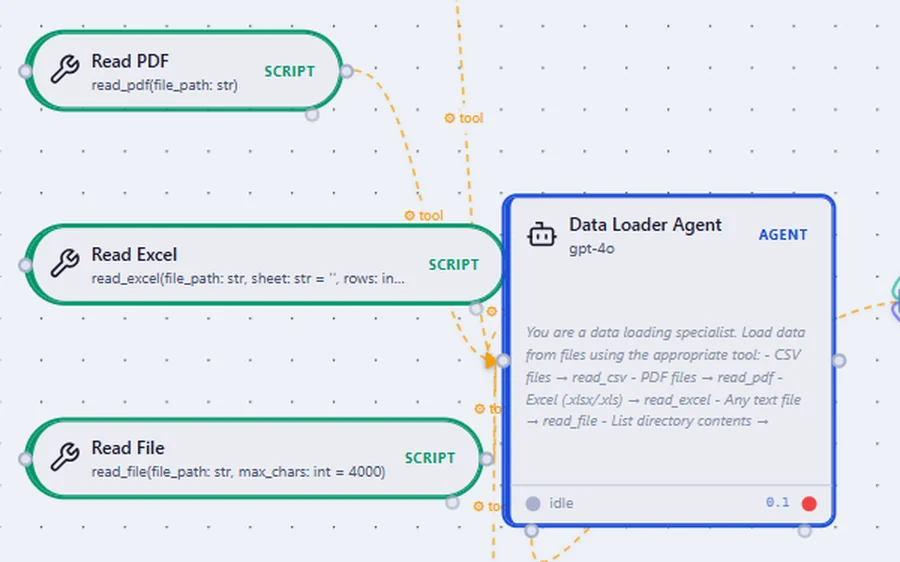
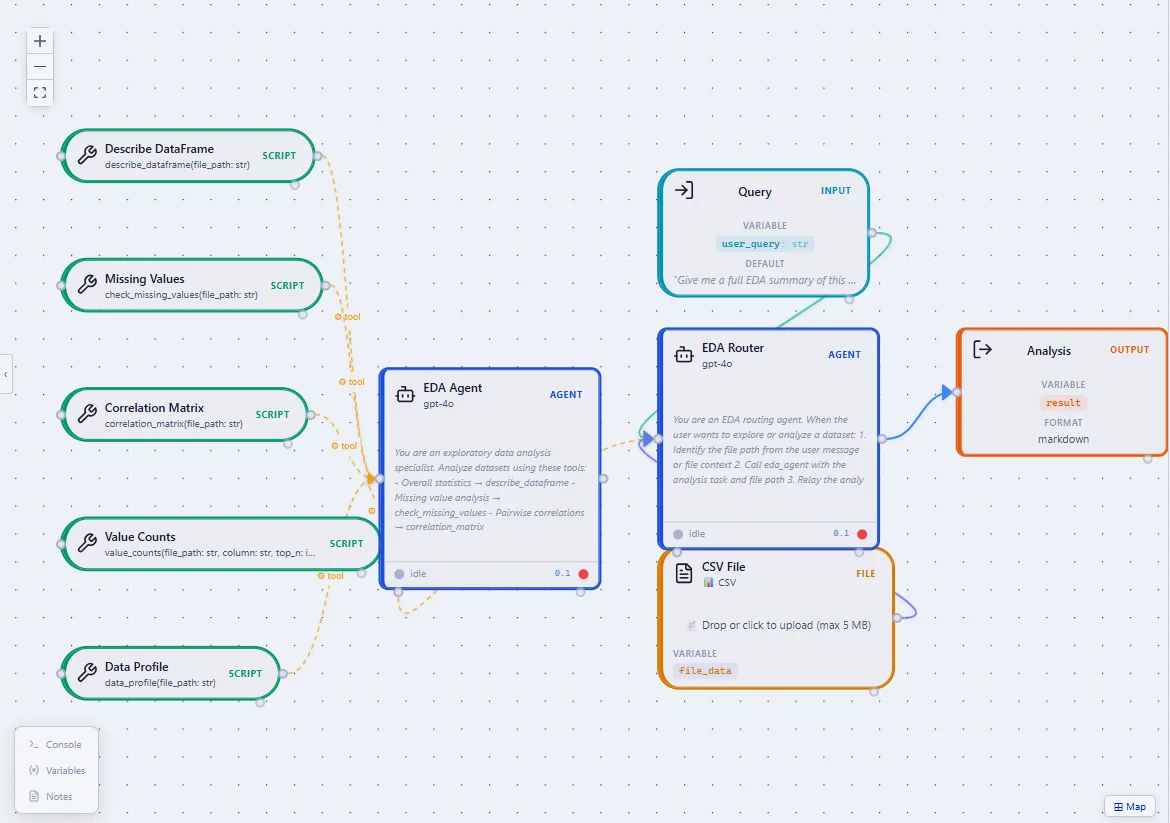
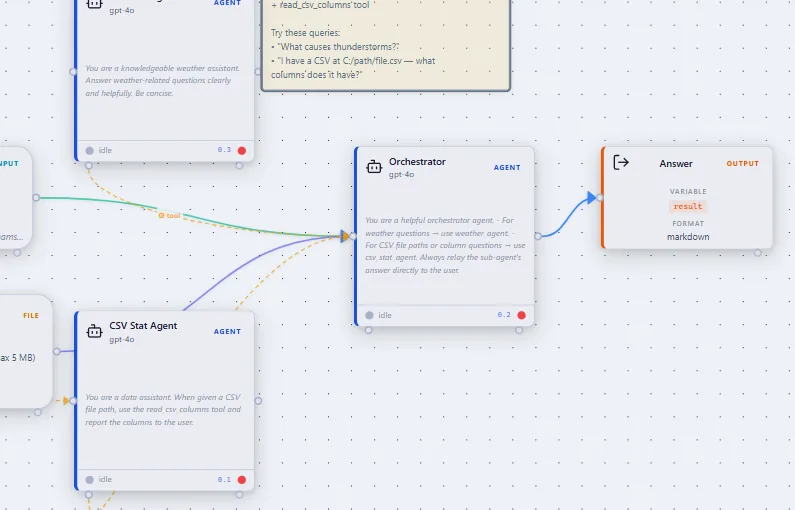
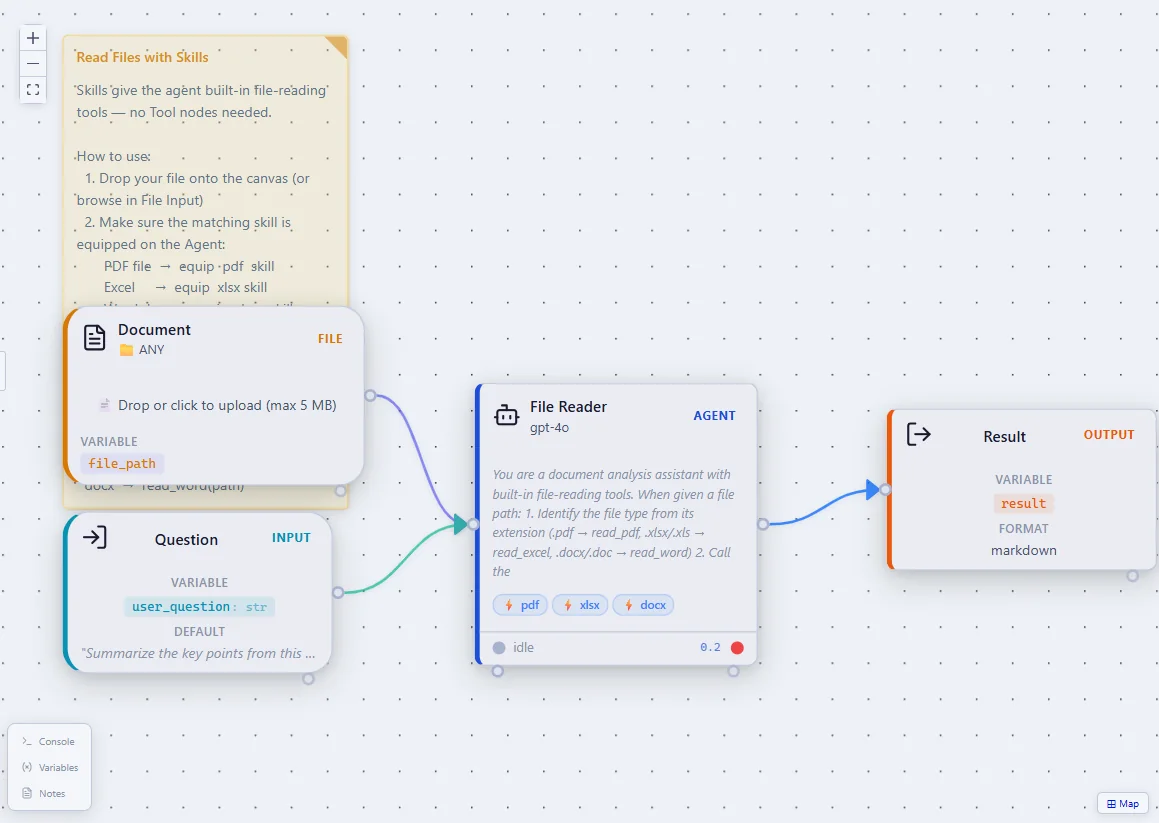
What changes: you build the whole application on one canvas, demo it in week one rather than week six, and hand over something the client can run without you standing behind it.
Your team can already build anything. The problem is that every client project starts from an empty repository, and the last one's good ideas don't carry over.
What changes: the patterns you've solved once become templates you deploy into the next client's workspace, so the second project costs a fraction of the first.
You're one person. Every hour spent on plumbing, hosting and glue code is an hour you can't bill, and you can only take on what you can personally babysit.
What changes: the platform handles running and scheduling the thing. You start free, upgrade when a prototype turns into a paying client application, and take on more work than one pair of hands used to allow.
There's obvious work to automate, but it never justified hiring a data scientist, and the IT roadmap is full for the next two quarters.
What changes: someone technical on your own team builds the first application free on Creator, proves the value on real data, and only then asks anyone for budget.
You need to know whether an AI-shaped product idea actually works before committing engineering months and investor money to finding out.
What changes: build the real thing on the canvas, put it in front of users, and learn whether they want it — before you write the production version.
The honest test isn't your job title — it's whether the work you want to automate involves reading something, weighing it up, and deciding. If a person currently does that by hand and their reasoning has to hold up to scrutiny, LumiMerse is aimed at you.
Whatever the sector, the applications people build here tend to have the same three parts.
Documents, spreadsheets, exports, database rows, API responses. Data that arrives in whatever shape the client happens to keep it in.
Compare the options. Check them against criteria. Rank them, flag the exceptions, and be clear about what a human still needs to look at.
The result goes to a client, a board or a regulator. So the reasoning behind it has to be inspectable, not a black box you have to defend on faith.
People have built LumiMerse applications across professional services, finance and operations, energy and engineering, and research. The platform doesn't care which — it cares that the work involves reading, judging and explaining. If you know your domain, you already know the hard part.